What Is an ADU?
An Accessory Dwelling Unit (ADU) — also called a granny flat, in-law suite, or guest house — is a secondary housing unit on a single-family residential lot. California has passed several laws making ADU construction easier than ever, and they've become one of the smartest investments Bay Area homeowners can make.
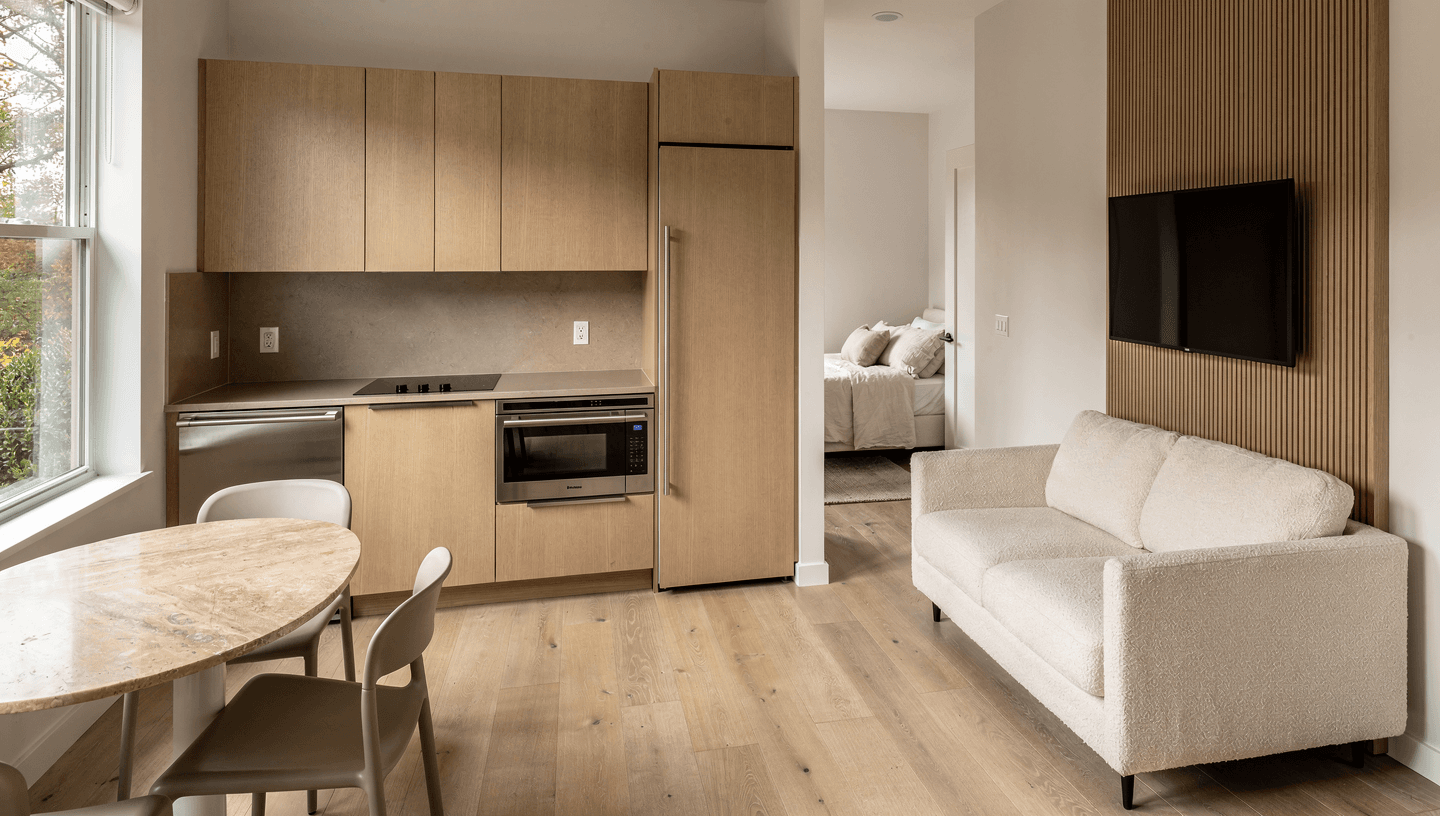
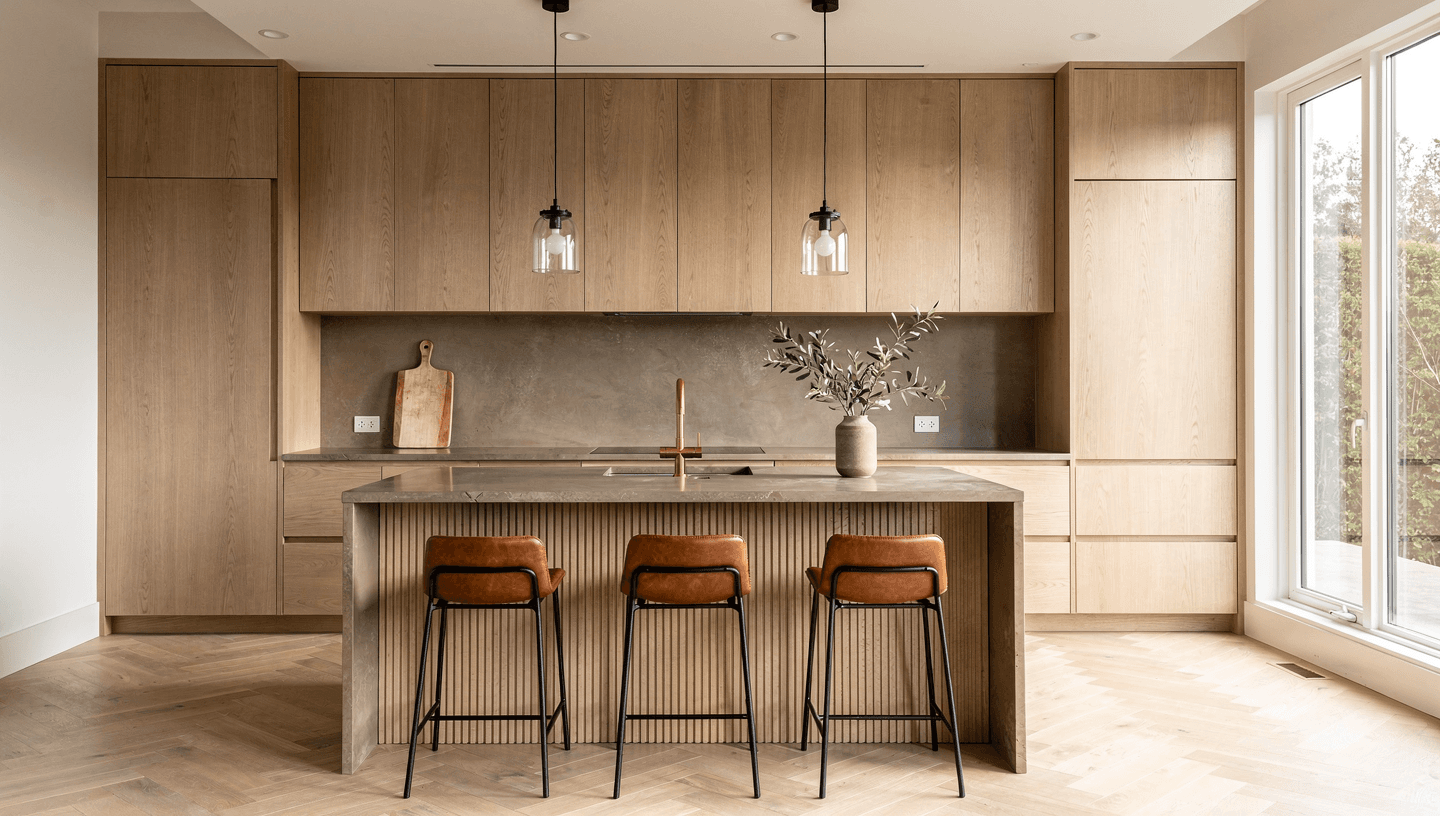
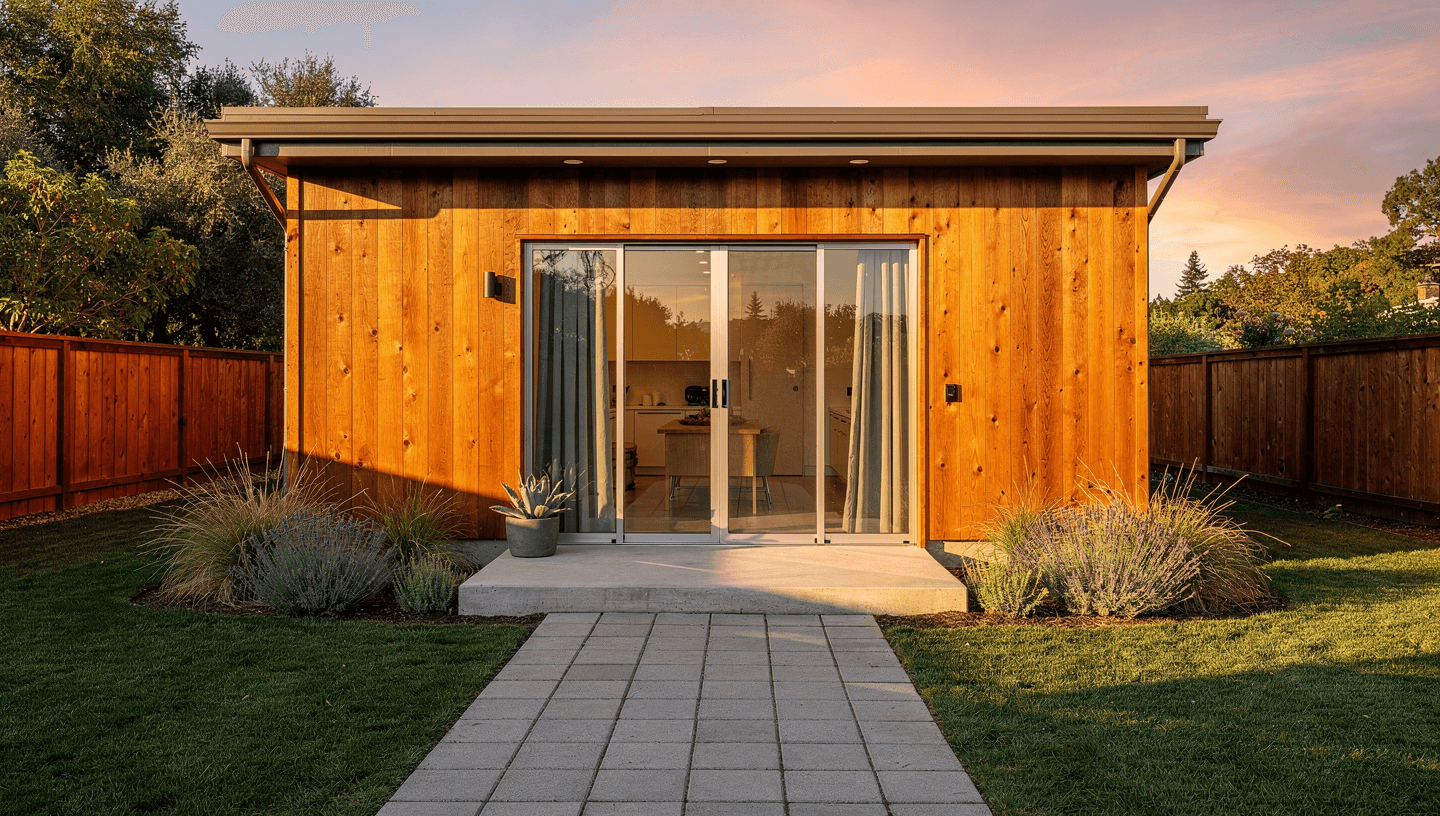
ADUs can be detached (a separate structure), attached (connected to the main home), or a conversion of existing space like a garage. They include a kitchen, bathroom, and sleeping area, making them fully independent living spaces.
California ADU Size Limits (2026)
Under current California law:
- Detached ADUs: Up to 1,200 sq ft
- Attached ADUs: Up to 50% of the existing home's living area, with a minimum of 800 sq ft allowed regardless
- Junior ADUs (JADUs): Up to 500 sq ft, must be within the existing home footprint
- Height limits: Up to 16 feet for detached ADUs, 25 feet for attached ADUs, or the host building's height (whichever is lower)
California law also allows you to build both an ADU and a JADU on the same property, potentially adding two additional units to your lot.
Setback and Parking Requirements
California's state laws have simplified setback requirements:
- Rear and side setbacks: 4 feet for detached ADUs
- No setback required for garage conversions or ADUs built in the same footprint as an existing structure
- Parking: No additional parking required for ADUs in most cases — especially if the property is within half a mile of public transit
Local cities may have additional design guidelines, but they cannot impose requirements that conflict with state law. Barcci Builders is deeply familiar with the specific rules in Los Gatos, Saratoga, Palo Alto, San Jose, and every other Bay Area city.
The ADU Permitting Process
Here's what to expect when permitting your ADU in the Bay Area:
- Feasibility check (1-2 weeks): We assess your property, zoning, lot coverage, and utility connections to determine what's possible.
- Design & engineering (4-8 weeks): Architectural plans, structural engineering, Title 24 energy calculations, and any required surveys.
- City plan review (4-12 weeks): Submit to the building department. California law requires cities to approve compliant ADU applications within 60 days.
- Construction (4-8 months): Building, inspections, and final certificate of occupancy.
Total timeline: 8-14 months from start to move-in. Barcci Builders manages the entire process.
ADU Costs in the Bay Area
Expect these cost ranges for Bay Area ADU construction:
- Garage conversion: $100,000-$180,000
- Detached ADU (400-600 sq ft): $150,000-$250,000
- Detached ADU (800-1,200 sq ft): $250,000-$400,000
- Prefab/modular ADU: $100,000-$200,000 (plus site prep costs)
These costs include design, permits, construction, utility connections, and interior finishes. Barcci Builders provides fixed-price contracts with no hidden fees.
ADU Rental Income Potential
Bay Area ADU rental income makes construction a compelling investment:
- Studio/1BR ADU: $2,000-$3,000/month
- 2BR ADU: $3,000-$4,500/month
- Premium locations (Palo Alto, Los Altos): $3,500-$5,000+/month
At these rental rates, most ADUs pay for themselves within 4-7 years. Beyond rental income, an ADU adds significant value to your property — typically $150,000-$300,000 in appraised value.